The LEAP Blog
Your resource for sharp, actionable insights on asset pooling, logistics, and supply chain management. From efficiency to sustainability, we share strategies that help businesses move smarter, faster, and leaner.

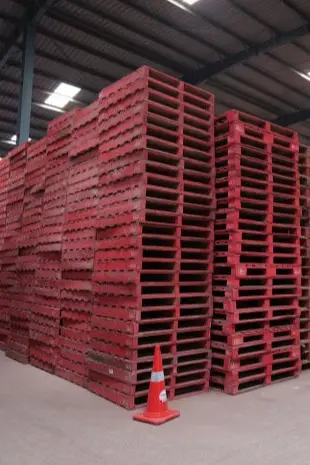
How Wooden Pallet Rental Solutions Can Reduce Your Supply Chain Costs
The Hidden Cost of Moving Goods
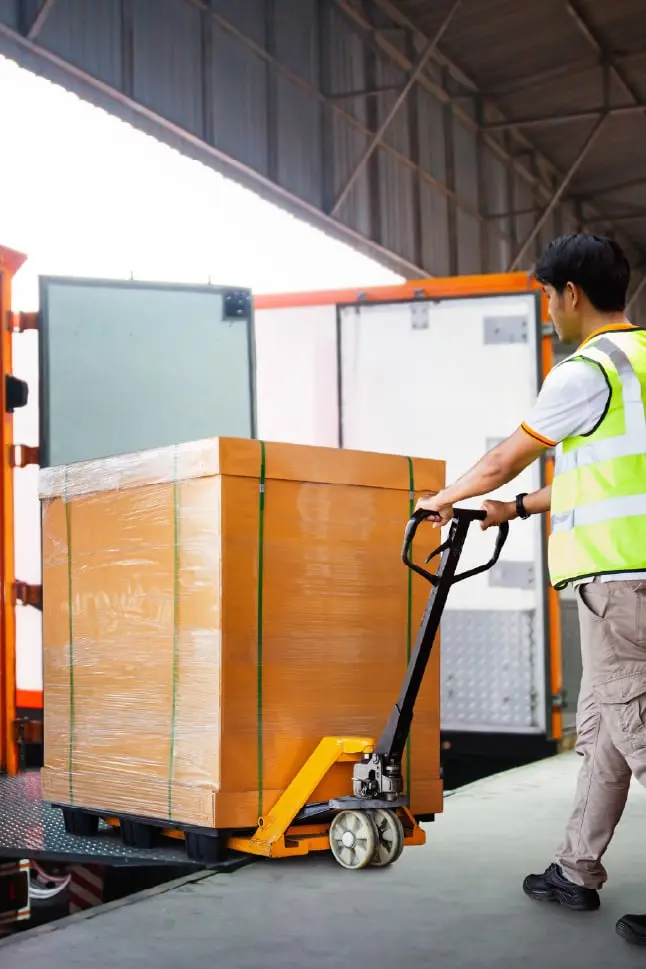
Every product you’ve ever touched—whether it’s a box of cereal, a new smartphone, or industrial machinery—has likely spent part of its journey resting on a wooden pallet.
Yet, for something so foundational to the global supply chain, pallets are often overlooked as a source of operational inefficiency and hidden costs.
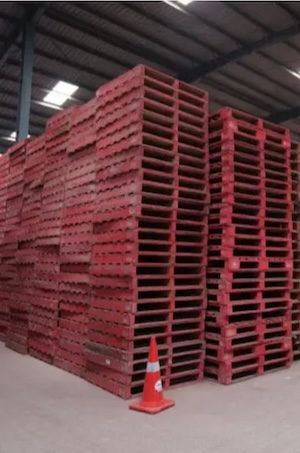
In fact, over 2 billion pallets are in circulation worldwide…
How LEAP Streamlines Warehousing Solutions
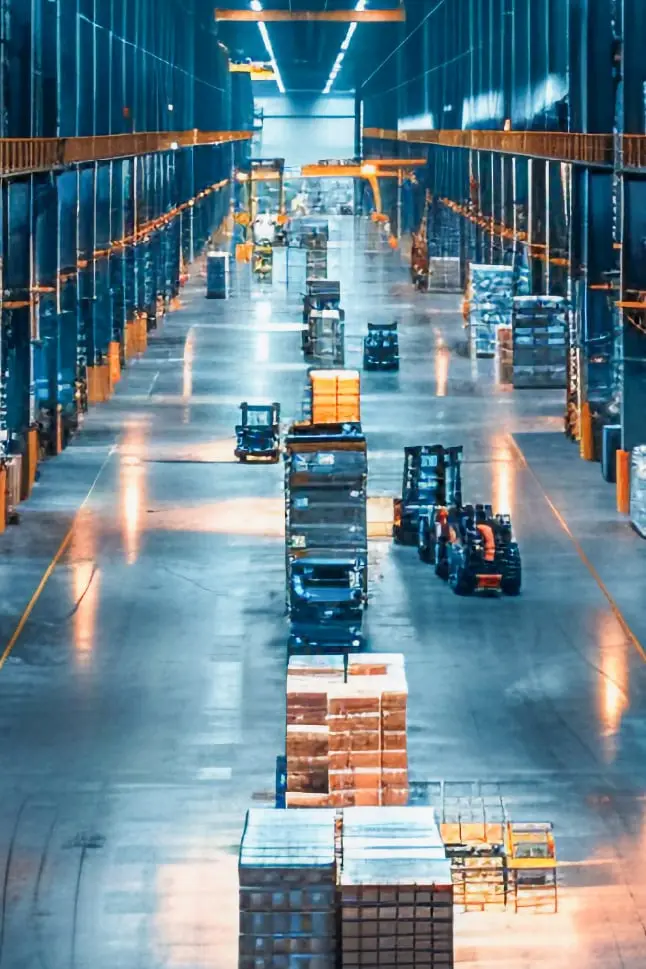
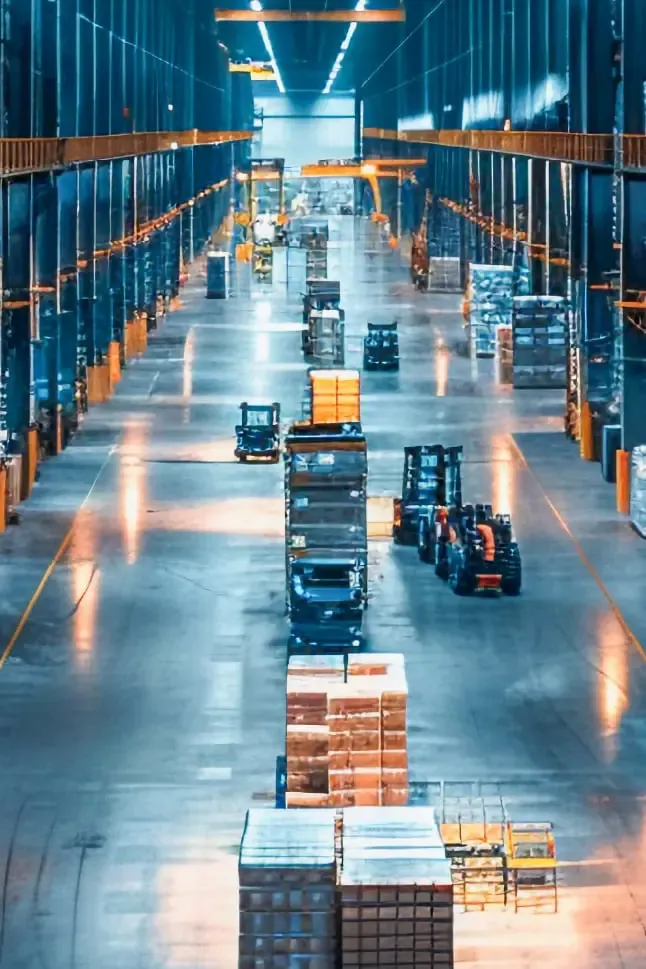
In today’s fast-moving world, businesses need smart and efficient warehousing solutions to keep operations smooth and costs under control.
Warehouses are the backbone of any supply chain, ensuring products are stored safely and transported on time. However, managing warehousing efficiently can be challenging due to high costs, inventory mismanagement, and sustainability concerns.
Moreover, technology is getting very reasonable with Make in India,…
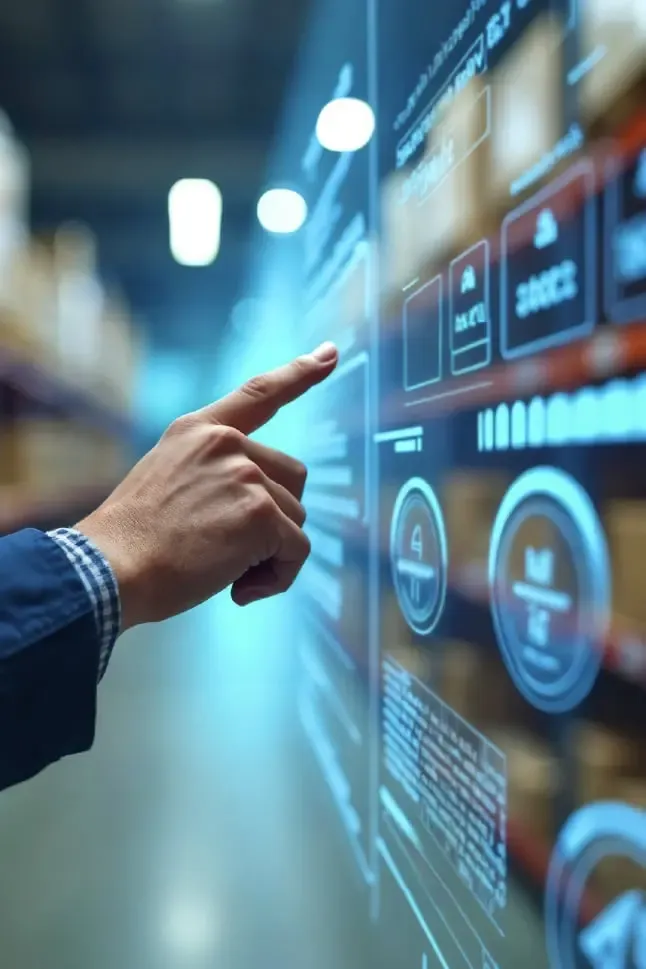
Innovations in Supply Chain Management by LEAP India
Introduction
In today's fast-paced business landscape, supply chain management solutions play a critical role in optimizing operations, reducing costs, and enhancing efficiency. LEAP India, a pioneer in supply chain management services, has been at the forefront of revolutionizing logistics with its innovative and sustainable solutions. By integrating sustainable supply chain management practices, LEAP India ensures seamless operations while…

LEAP's Role in Reducing Supply Chain Costs
Managing supply chain costs effectively can make the difference between profit and loss. Companies are constantly seeking innovative ways to optimize operations without compromising efficiency or sustainability. LEAP India stands at the forefront of this transformation, offering cutting-edge returnable packaging solutions and pioneering sustainable supply chain management practices. As one of the best supply chain management companies, LEAP India empowers businesses to reduce…
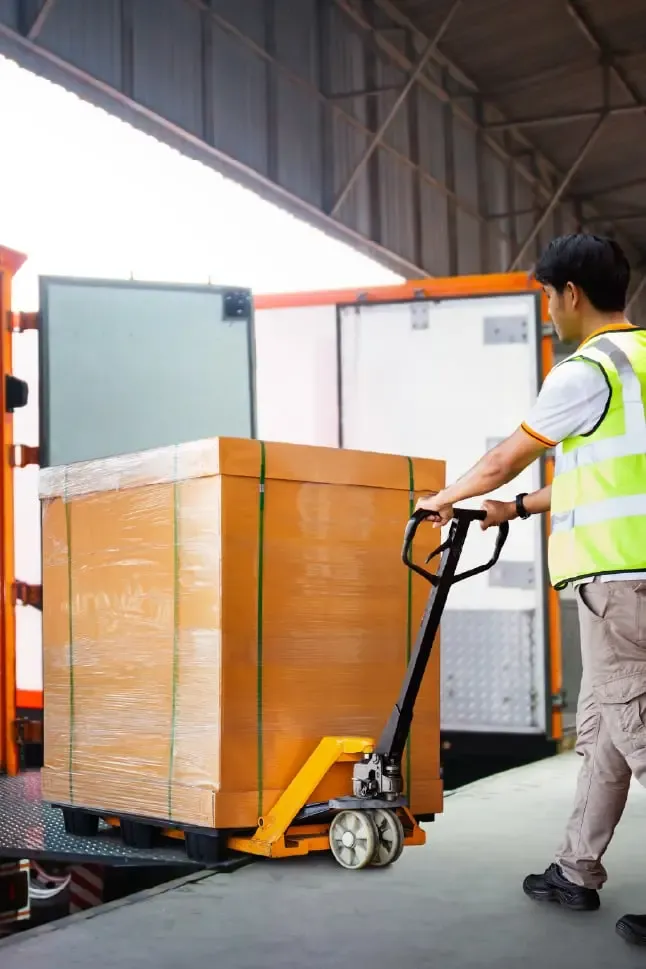
The Importance of Asset Pooling in Modern Supply Chains
In today’s fast-moving world, businesses constantly look for ways to improve efficiency, reduce costs, and be more environmentally friendly. One of the most effective ways to achieve these goals is through asset pooling. This means companies share and reuse essential logistics equipment, such as pallets, crates, and containers, instead of owning them individually. By doing this, businesses save money, simplify their operations, and contribute to a greener planet.
…
The Impact of Asset Pooling on Reducing Supply Chain Carbon Footprint
The global supply chain, the intricate network that delivers products from origin to consumption, plays a critical role in the modern economy. However, its efficiency often comes at an environmental cost.
A significant portion of greenhouse gas emissions can be attributed to supply chain activities, including the production, transportation, and disposal of single-use packaging and expendable assets. Addressing this challenge necessitates a paradigm shift towards…
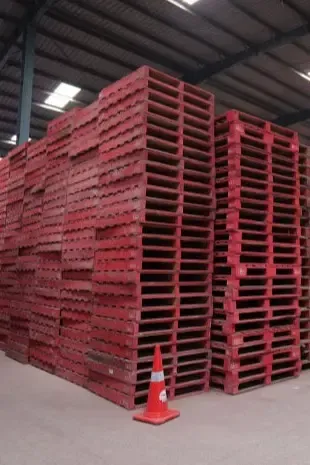
Uncovering the Art of Pallet Manufacturing: How to Choose the Best Pallets for Your Business Needs
Pallets are an essential component of modern logistics and supply chain management. They serve as the backbone of the transportation and storage of products across various industries. However, with so many pallet options available in the market, how do you choose the best one for your business needs? This is where the art of pallet manufacturing comes into play.
From choosing the right materials to designing the perfect size and shape, pallet manufacturers have…
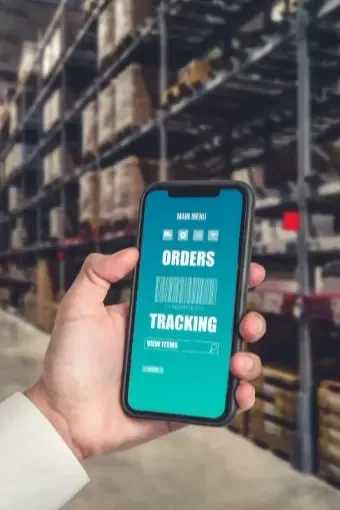
Tech-enabled Pallet Pooling
Have you ever needed to rent pallets, but been unable to find the right size or quantity in time?
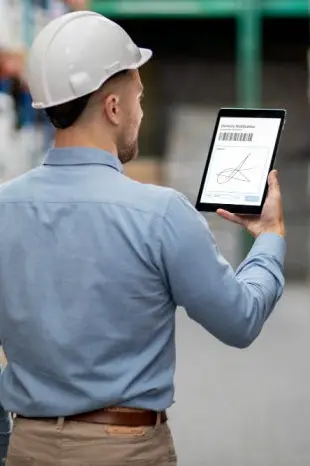
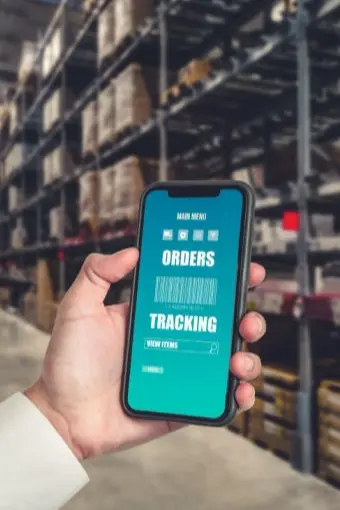
Thanks to modern technology, that’s no longer an issue. Now, with mobile apps, you can easily rent the pallets you need quickly and conveniently. In this blog post, we’ll explore the advantages of renting pallets via mobile app and how it can benefit your business.
By pooling resources and using mobile technology, companies can increase the speed and accuracy…
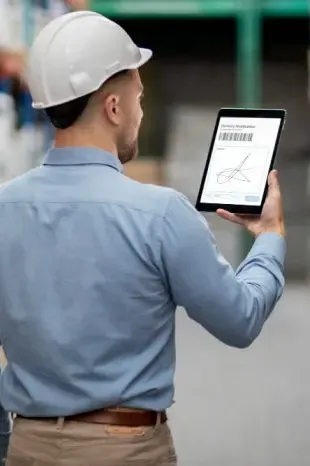
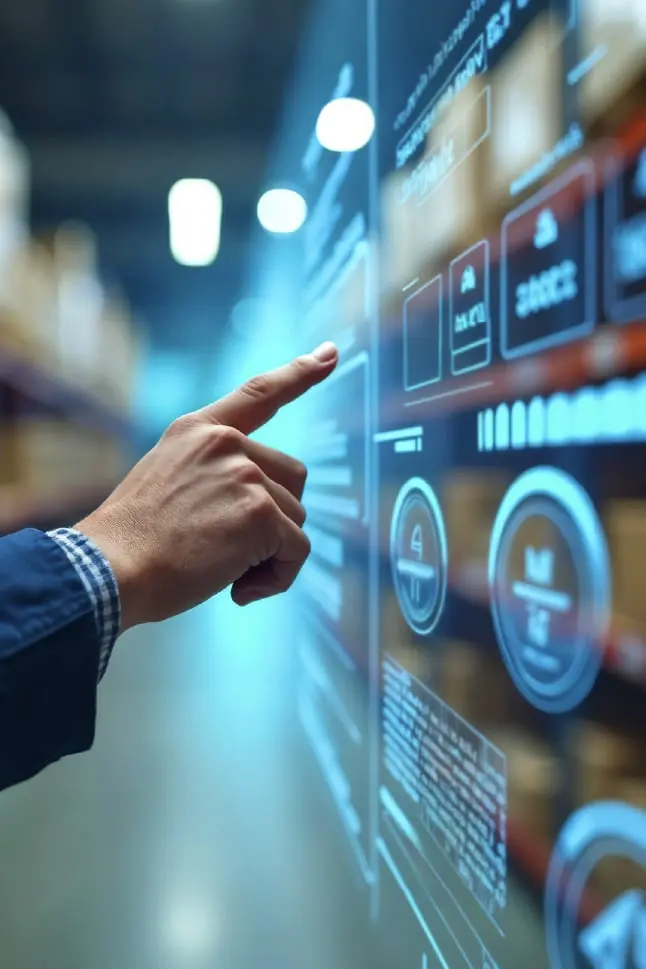
The Benefits of Using Warehouse Device Data to Improve Workflow
In business, gathering data and attempting to maximise time efficiency is analogous to budgeting in your daily lives. The idea is to reduce time on the sales floor by tackling repetitive and important operations.
For instance, the barcode scanner. Several scanners are quicker than others, and even a one-second variation in scan time can have a significant influence on efficiency.
If a worker scans 1,000 times each day and there are 1,000 workers in a…